
SHOPSTORY BUYING GUIDE
School Stationery Checklist: What Students Actually Need
Use a practical school stationery checklist for writing, classwork, organisation and projects, then adjust it to the school’s requirements.
5 minute read
Updated 28 September 2026
Reviewed by ShopStory
THE SHORT ANSWER
Start with the school list: suitable notebooks, permitted blue or black pens, pencils, an eraser, sharpener, ruler and a simple pouch. Add geometry, colouring, project and filing materials only for the student’s subjects and year group.
Follow the school list before a general checklist
Notebook sizes, ruling, pen colours and geometry tools may be specified by the school or teacher. Confirm those requirements first so you do not buy items that cannot be used in class.
Everyday writing essentials
•
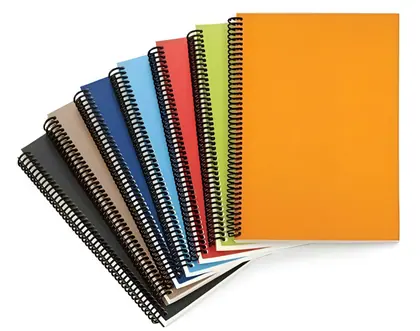
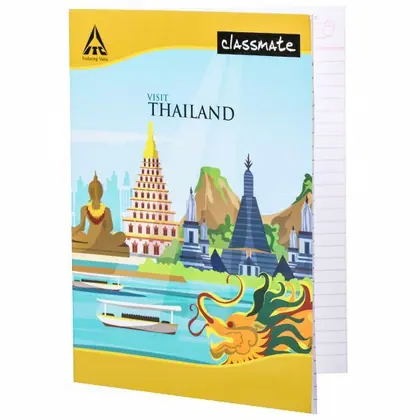
Notebooks with the required ruling and page count
•
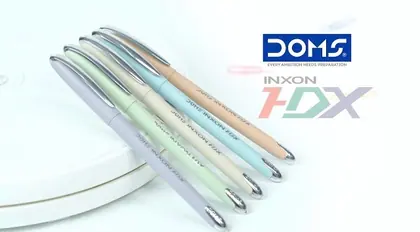
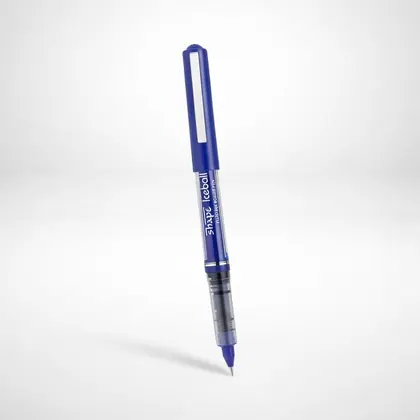
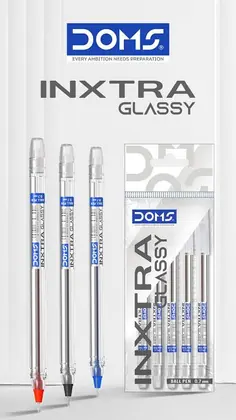
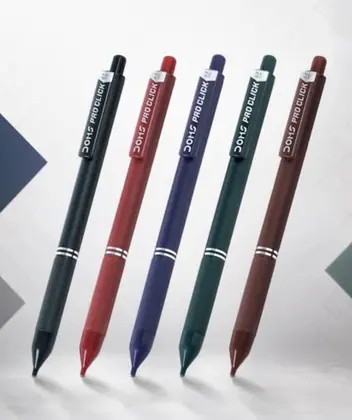
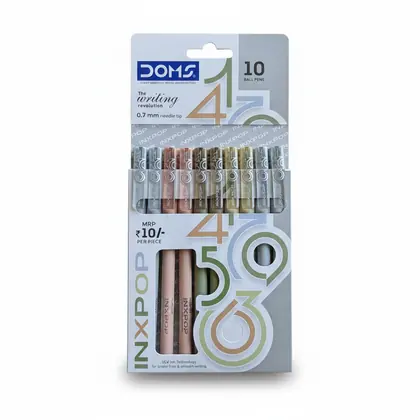
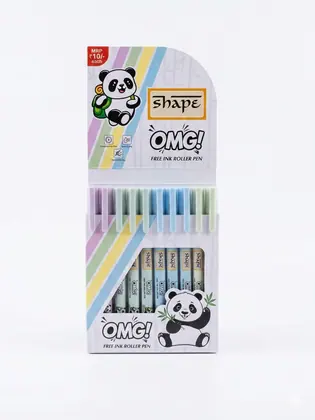
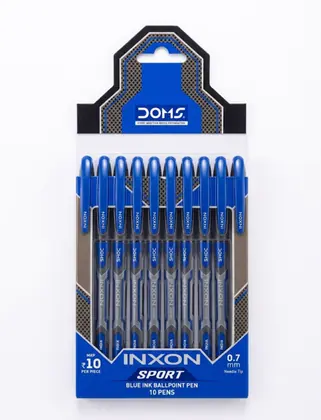
Permitted pens plus a tested spare
•
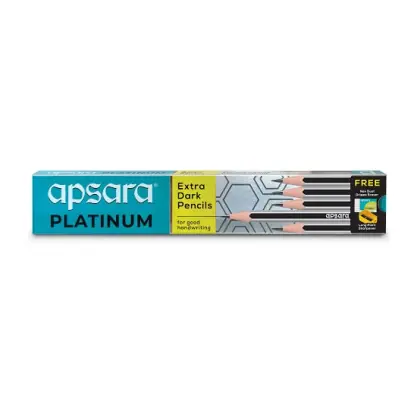
HB pencils, eraser and sharpener
•
A ruler of the requested length
•
A pouch that is easy to open and identify
Organisation and project materials
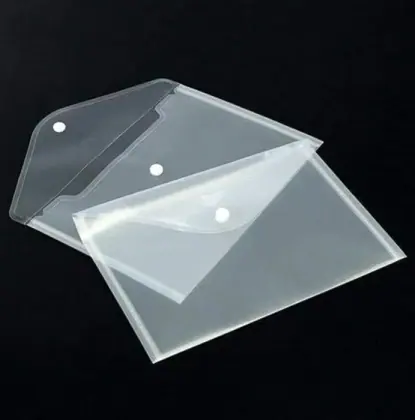
Folders help keep worksheets and project sheets from folding. Labels and a permanent marker may be useful for identification, while chart paper, colour paper, adhesive and colouring materials should be purchased when the class requests them.
Avoid unnecessary duplicates
Buying a term’s likely requirement can be economical, but too many unfamiliar pens, decorative items or oversized sets create clutter. Check what remains usable from the previous term and replace only worn, finished or newly required items.
Frequently asked questions
How many spare pens should a student carry?
One or two tested spares are usually sufficient unless the school specifies otherwise. All should use the permitted ink colour.
Which notebook ruling should I buy?
Use the ruling requested by the school. Single line, four line, double line, square and plain books support different subjects and learning stages.
Should every item be labelled?
Follow school policy. Labelling commonly misplaced items can help, but avoid permanent marking on borrowed or shared property.
READY TO BROWSE?
Find your next stationery favourite.
Compare the current options, prices and availability in the ShopStory catalogue.
Browse student essentials →
Useful products to explore
Available choices related to this guide
View all →

Product characteristics can vary by model, refill and paper. Check the product page and any applicable institutional or examination rules before choosing.
ShopStory
For your desk, your classroom, and every idea in between.
Shop all stationery →
Need a hand?
Orders & tracking
›
Shop by brand
›
Stationery buying guides
›
Contact ShopStory
›
Shipping & delivery
›
Returns & refunds
›
Privacy & analytics choices
›
Account & data deletion
›
© 2026 ShopStory · Secure payments through Razorpay