

SHOPSTORY BUYING GUIDE
Office Stationery Essentials: A Practical Desk Checklist
Set up a practical office desk with dependable writing, filing, labelling, paper-handling and record-keeping supplies.
5 minute read
Updated 28 September 2026
Reviewed by ShopStory
THE SHORT ANSWER
A useful office kit covers five jobs: writing, correction, filing, labelling and paper handling. Start with frequently used basics, then add specialised registers, stamps, adhesives or presentation materials only when the work requires them.
Writing and quick notes
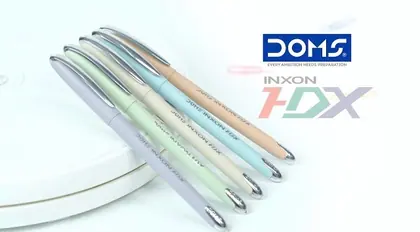
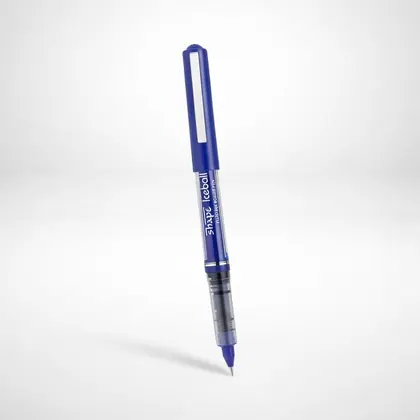
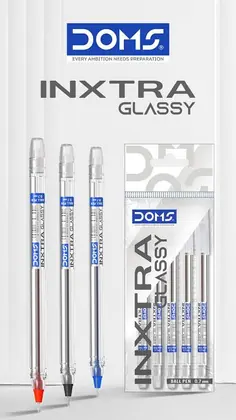
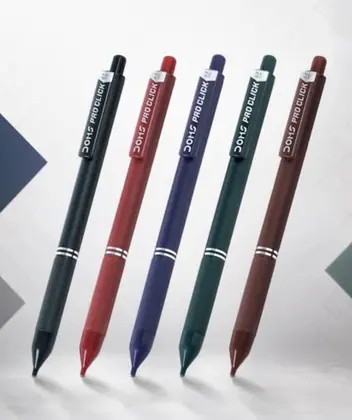
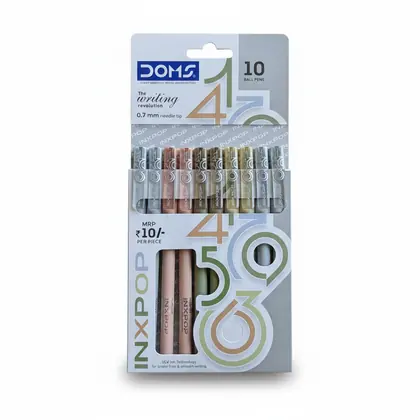
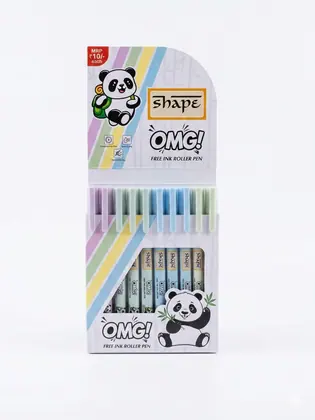
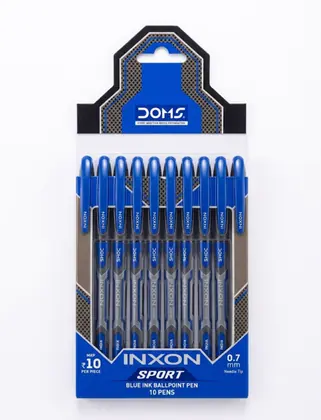
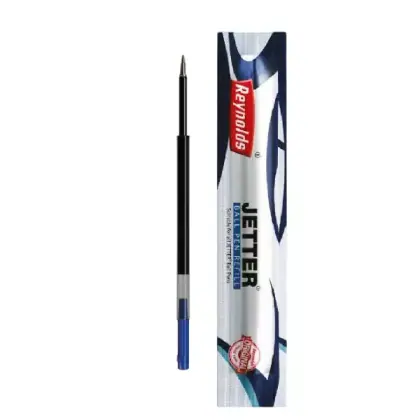
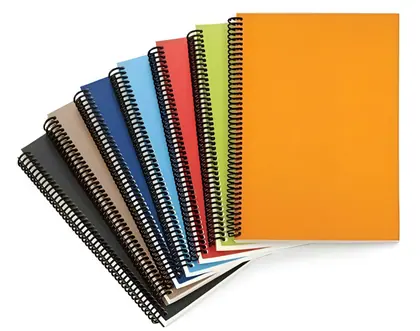
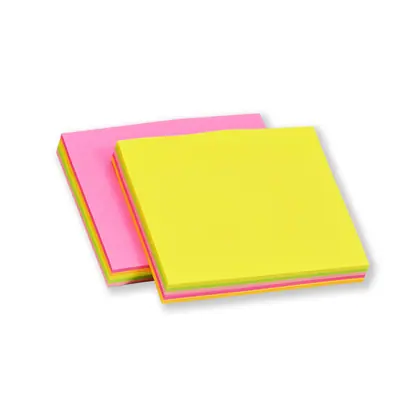
Keep dependable pens, pencils and a notebook or writing pad within reach. Choose refills and ink colours that match workplace requirements, and keep a tested spare for customer-facing or time-sensitive work.
Filing and document protection
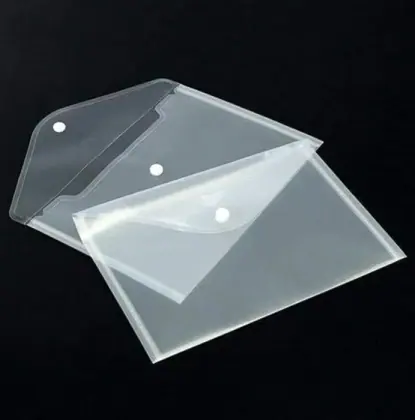
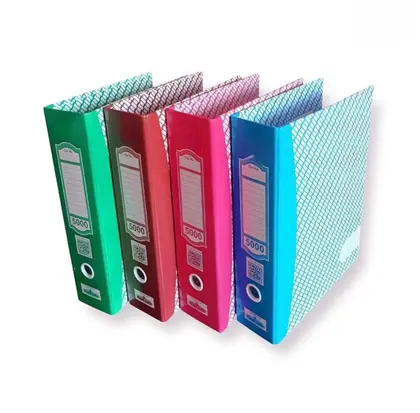
Use folders for active papers and stronger box or lever-arch files for larger records. Select the file around paper size, capacity, access frequency and whether the documents need individual sleeves.
Paper handling and labelling
•
A stapler and compatible staple size
•
Paper clips or binder clips for temporary grouping
•
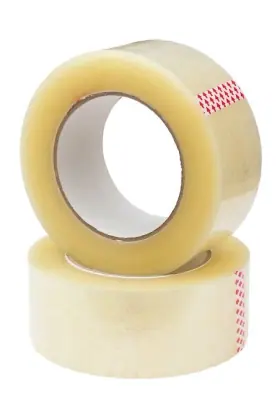
Adhesive tape and an appropriate dispenser
•
Labels and a suitable marker
•
Scissors or a cutter used with proper safety precautions
Restock from actual usage
Track the items that run out frequently rather than ordering every product in equal quantities. Store paper away from moisture, keep adhesives capped and use first-in, first-out rotation for ink and dated materials.
Frequently asked questions
What should be in a basic office stationery kit?
Begin with pens, pencils, paper or a notebook, a stapler, clips, folders, labels, tape and scissors. Add job-specific items only when needed.
How do I choose a file?
Match the file to the paper size, number of sheets, how often the papers are accessed and whether individual document protection is required.
Is bulk buying always cheaper?
Only when the items will be used before they deteriorate or become obsolete. Base quantities on real consumption and available storage.
READY TO BROWSE?
Find your next stationery favourite.
Compare the current options, prices and availability in the ShopStory catalogue.
Browse office stationery →
Useful products to explore
Available choices related to this guide
View all →
Product characteristics can vary by model, refill and paper. Check the product page and any applicable institutional or examination rules before choosing.
ShopStory
For your desk, your classroom, and every idea in between.
Shop all stationery →
Need a hand?
Orders & tracking
›
Shop by brand
›
Stationery buying guides
›
Contact ShopStory
›
Shipping & delivery
›
Returns & refunds
›
Privacy & analytics choices
›
Account & data deletion
›
© 2026 ShopStory · Secure payments through Razorpay