SHOPSTORY BUYING GUIDE
Art Supplies for Beginners: A Simple Starter List
Build a practical beginner art kit with suitable paper, drawing pencils, colours, brushes and a few useful accessories without overbuying.
6 minute read
Updated 28 September 2026
Reviewed by ShopStory
THE SHORT ANSWER
Begin with one medium you genuinely want to practise: graphite needs pencils, an eraser and drawing paper; water-based colour needs suitable paper, a small colour set, brushes and water containers. A compact, dependable kit is easier to learn with than a large collection of unfamiliar materials.
Pick one main medium first
Graphite drawing is an accessible starting point for line, proportion and shading. Coloured pencils are tidy and portable. Poster, water or acrylic colours add colour-mixing practice but require the correct surface and cleanup. Choose one route for the first few projects.
Match the paper to the material
Ordinary writing paper is useful for quick practice but can buckle with wet media. Drawing paper, sketchbooks and boards vary in texture and weight. Check the product description and test the medium before beginning a long project.
Keep the first kit focused
•
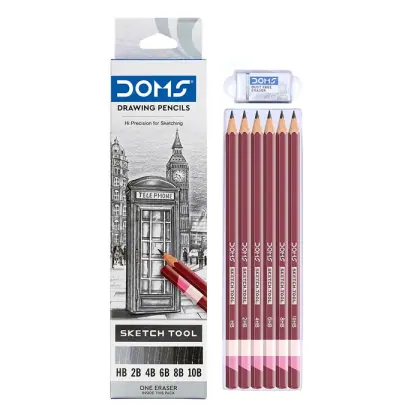
Two or three graphite grades rather than every grade
•
A clean eraser and suitable sharpener
•
A limited colour set for learning colour mixing
•
A small selection of brush shapes and sizes
•
A folder or pouch that protects finished work and tools
Add materials when a project requires them
Special markers, varnishes, canvases and modelling materials are useful for specific techniques, but they are not essential for every beginner. Buy them when a planned project calls for them and follow the label’s age, safety and ventilation instructions.
Frequently asked questions
Which art medium is easiest for a beginner?
Graphite pencils or coloured pencils are simple, portable starting points. The best choice is the medium that matches the kind of work you want to make.
Can I use notebook paper for painting?
It is usually too light for wet paint and may buckle or tear. Use paper or board intended for the selected medium.
Do beginners need a large colour set?
No. A smaller set can teach colour mixing and is often easier to understand before adding specialised shades.
READY TO BROWSE?
Find your next stationery favourite.
Compare the current options, prices and availability in the ShopStory catalogue.
Browse art supplies →
Useful products to explore
Available choices related to this guide
View all →
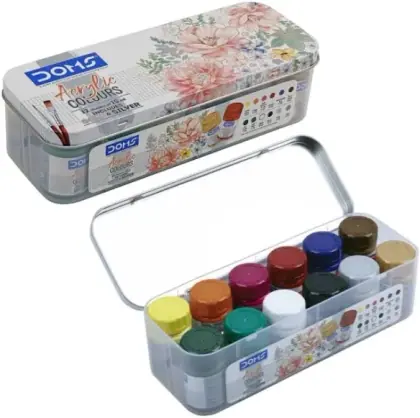
Product characteristics can vary by model, refill and paper. Check the product page and any applicable institutional or examination rules before choosing.
ShopStory
For your desk, your classroom, and every idea in between.
Shop all stationery →
Need a hand?
Orders & tracking
›
Shop by brand
›
Stationery buying guides
›
Contact ShopStory
›
Shipping & delivery
›
Returns & refunds
›
Privacy & analytics choices
›
Account & data deletion
›
© 2026 ShopStory · Secure payments through Razorpay